
As I lifted the lid off the pot, a cloud of fragrant spices wafted through my kitchen, instantly transforming my space into a cozy haven. This Easy Vegetable Curry is my go-to one-pot meal, bursting with vibrant colors and warmly inviting aromas that make even the busiest weeknight feel special. Not only is it a quick recipe that you can whip up with whatever vegetables are on hand, but it’s also a healthy, customizable dish that adapts to your cravings. Plus, with the option to stir in creamy coconut milk, every spoonful turns into a delightful hug for your taste buds! Are you ready to make a meal that’s both scrumptious and satisfying? Let’s dive in and create some culinary magic!
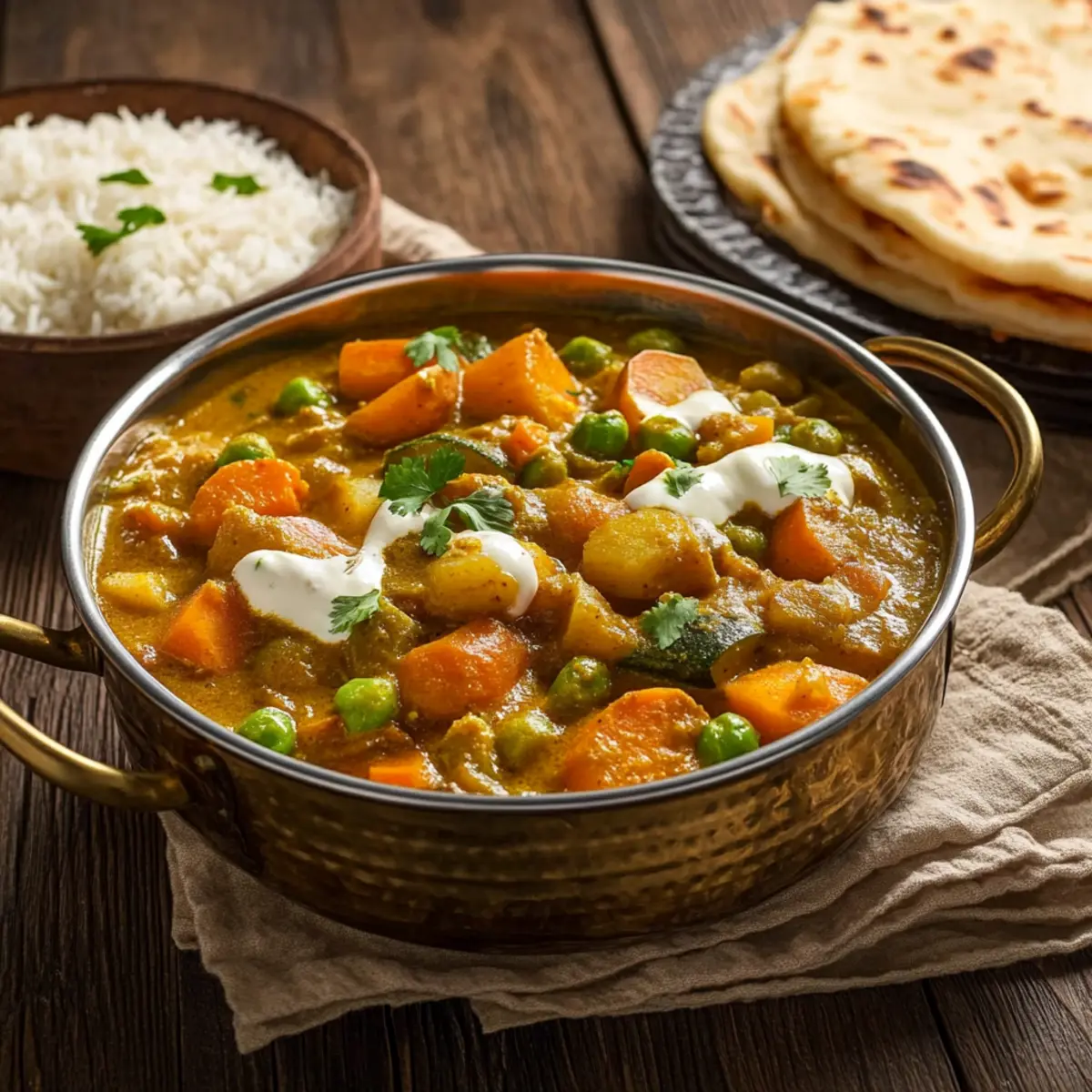
Why Choose This Vegetable Curry Recipe?
Ease of Preparation: This Easy Vegetable Curry comes together in a single pot, perfect for busy weeknights when you want flavor without fuss.
Endless Customization: With the freedom to mix and match vegetables, this dish caters to your pantry and personal taste, ensuring there’s something for everyone.
Healthy & Nutritious: Loaded with vitamins and fiber, it’s a guilt-free indulgence that keeps you satisfied—especially when paired with wholesome sides like Vegetable Soup Hearty or crusty bread.
Creamy Delight: Optional coconut milk adds that luxurious creaminess, making it feel indulgent without the extra calories.
Crowd-Pleaser: Whether you’re cooking for family or entertaining friends, this hearty curry is sure to impress and warm hearts with its inviting flavors!
Vegetable Curry Ingredients
-
For the Base
• Vegetable Oil (or Ghee) – Base for sautéing aromatics and blooming spices; coconut oil can be swapped for a dairy-free option.
• Onion – Adds sweetness and depth; shallots can be used for a milder flavor.
• Garlic – Enhances overall flavor profile; always choose fresh for the best taste.
• Ginger – Provides zesty freshness; fresh ginger offers the best flavor but powdered can be a quick substitute. -
For the Masala
• Tomatoes – Creates the masala base with acidity; canned tomatoes work well for convenience.
• Turmeric Powder – Adds color and earthy flavor with health benefits; skipping it reduces vibrancy and anti-inflammatory properties.
• Cumin Seeds – For blooming in oil to enhance aroma; use ground cumin if needed but the flavor will be milder.
• Coriander Powder – Complements spices with a citrusy note; no substitutions necessary. -
For the Vegetables
• Mixed Vegetables – A colorful mix of or favorite veggies like carrots, peas, potatoes, or bell peppers; frozen veggies can be thrown in directly from the freezer.
• Water – Helps simmer the vegetables to tender perfection; adjust as needed to maintain flavor. -
For Creaminess (Optional)
• Coconut Milk – Provides creaminess and richness; for a lighter dish, consider cashew cream or skip altogether. -
For Flavor Finishing
• Garam Masala – Added at the end for a burst of vibrant flavor; curry powder is a suitable substitute if necessary.
• Salt – Enhances all flavors; adjust according to your taste preference.
• Cilantro (for garnish) – Adds fresh, herbaceous notes for a delightful finish.
Prepare to create something magical with this Vegetable Curry!
Step‑by‑Step Instructions for Easy Vegetable Curry
Step 1: Bloom Cumin
In a large pot, heat 2 tablespoons of vegetable oil over medium heat. Once the oil is shimmering, add 1 teaspoon of cumin seeds. Sauté for about 1 minute until fragrant and the seeds start to pop, releasing their warm aroma, which forms the flavorful base for your Easy Vegetable Curry.
Step 2: Sauté Aromatics
Add one chopped onion to the pot and sauté for approximately 5 minutes, stirring occasionally, until the onion is soft and translucent. Next, incorporate 3 minced garlic cloves and a 1-inch piece of grated ginger, cooking for an additional 30 to 60 seconds until the mixture becomes fragrant and inviting.
Step 3: Build the Masala
Stir in 2 chopped tomatoes, 1 teaspoon of turmeric powder, and 1 teaspoon of coriander powder, along with a pinch of salt. Cook for about 5 to 7 minutes, stirring frequently, until the tomatoes break down and form a thick, rich masala that coats the pan and brings vibrant flavors to the Easy Vegetable Curry.
Step 4: Add Vegetables
Introduce your choice of mixed vegetables—such as carrots, bell peppers, and peas—into the pot, stirring to ensure they are well-coated in the aromatic masala. This colorful mix will provide a delightful texture and flavor, setting the stage for the heart of your curry.
Step 5: Simmer
Pour in enough water to cover the vegetables, roughly 1 to 1.5 cups, and bring to a rapid boil. Once boiling, reduce the heat to a gentle simmer and cook uncovered for about 15 to 20 minutes, or until the vegetables are tender and infused with the delicious spices of the curry.
Step 6: Optional Creaminess
For a rich, creamy texture, stir in 1 cup of coconut milk at this stage. Let the Easy Vegetable Curry simmer for an additional 5 minutes, allowing the flavors to meld beautifully, and the coconut milk to enhance the lusciousness of your dish.
Step 7: Finish
Finally, sprinkle 1 teaspoon of garam masala over the curry, stirring well to incorporate. Taste and adjust the seasoning with salt if needed. This last touch will bring a burst of vibrant flavor, completing your wonderful Easy Vegetable Curry just before serving.
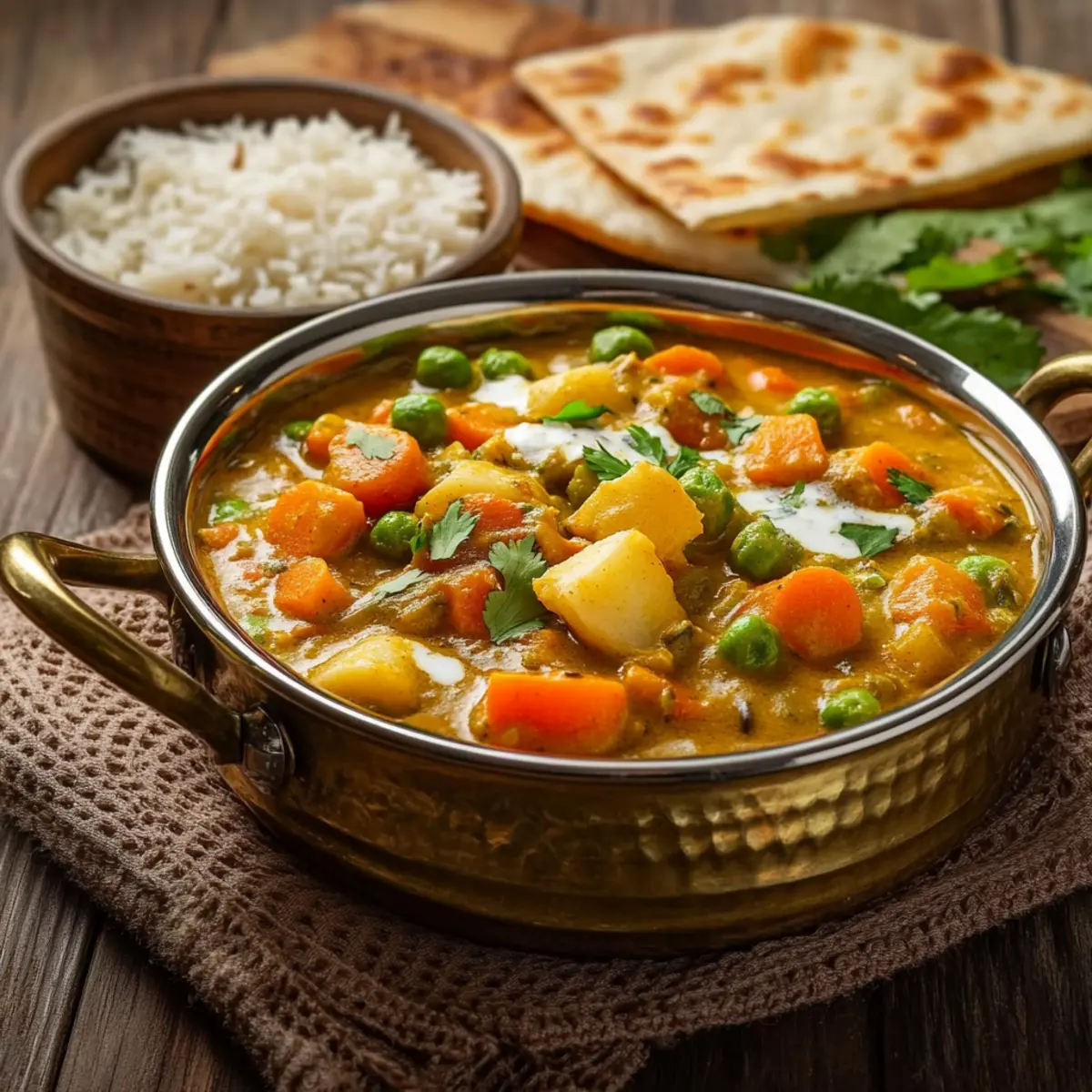
Expert Tips for Vegetable Curry
• Bloom Cumin: Always bloom cumin seeds in oil to unlock their full flavor potential; skipping this step can lead to a less aromatic curry.
• Cut Evenly: Chop denser vegetables like carrots and potatoes into smaller, uniform pieces for even cooking and a well-mixed texture in your vegetable curry.
• Simmer Gently: Avoid overcrowding the pot; keeping a gentle simmer ensures that the vegetables cook through without becoming mushy or overcooked.
• Layer Flavors: Taste and adjust spices throughout the cooking process; adding salt or spices at different stages can enhance the overall depth of your vegetable curry.
• Make Ahead: Don’t hesitate to make this dish in larger batches; leftovers often taste even better the next day as flavors meld beautifully during storage.
• Customize Veggies: Feel free to swap in your favorite seasonal vegetables or whatever you have on hand; versatility is key to making this vegetable curry your own!
Vegetable Curry Variations & Substitutions
Feel free to explore these delightful alterations that will let your Vegetable Curry shine even brighter!
-
Add Protein: Incorporate chickpeas or lentils for extra heartiness and a protein boost. They meld beautifully into the flavors, making your curry even more satisfying.
-
Spice Level: Adjust the heat by adding chili powder or fresh chilis based on your preferences. A sprinkle of crushed red pepper can also kick things up a notch!
-
Vegetable Alternatives: Use seasonal favorites or whatever you’ve got on hand, like zucchini or green beans. This flexibility keeps your curry vibrant and exciting, no matter the time of year.
-
Creaminess Options: Swap coconut milk for cashew cream for a nutty twist. Alternatively, omit the cream entirely for a lighter, broth-like curry that still captivates with its flavor.
-
Base Additions: Serve over fluffy basmati rice, quinoa, or even with a hearty crusty bread. Each option offers a unique texture that complements the curry’s rich flavors.
-
Herb Infusions: Stir in fresh herbs like basil or mint for an aromatic lift. These bright flavors contrast beautifully with the richness of the masala.
-
Cooking Style: Consider pressure cooking to save time and deepen flavors. A quick cook under pressure can yield tender veggies in a fraction of the time.
As you play around with these variations, remember that the heart of a good Vegetable Curry lies in the love and creativity you put into it! For more veggie inspiration, why not check out some hearty alternatives like Winter Vegetable Quiche or warming bowls of Vegetable Soup Hearty? Happy cooking!
How to Store and Freeze Vegetable Curry
Fridge: Store any leftover vegetable curry in an airtight container for up to 4 days. This allows for quick reheating that preserves flavor.
Freezer: Freeze vegetable curry in portioned containers for up to 3 months. Make sure to leave space for expansion, and label each container with the date for easy tracking.
Reheating: When ready to enjoy, thaw overnight in the fridge and reheat gently on the stovetop or microwave, adding a splash of water to maintain creaminess if needed.
Meal Prep-Friendly: This vegetable curry is perfect for meal prep; simply double the batch and store it in individual servings to enjoy healthy, homemade meals throughout the week.
What to Serve With Easy Vegetable Curry
Transform your cozy vegetable curry into a complete meal that delights the senses.
-
Fluffy Basmati Rice: Its fragrant aroma and nutty flavor create a perfect base to soak up the rich curry sauce.
-
Warm Naan Bread: Soft and pillowy, it’s ideal for scooping up every delicious bite. You’ll find it hard to resist!
-
Fresh Cucumber Salad: Light and refreshing, this salad adds a crisp crunch and balances the warm spices of the curry.
-
Creamy Yogurt Sauce: A dollop of yogurt brings tangy creaminess, helping to cool down the heat and enhancing the flavors beautifully.
-
Roasted Cauliflower: Crispy and caramelized, this vegetable side adds a delightful texture, complementing the creamy curry wonderfully.
-
Mint Lemonade: A refreshing drink that pairs perfectly with the spice of the curry, brightening up your palate with each sip.
-
Gulab Jamun: End your meal on a sweet note with these syrup-soaked treats, providing a comforting, indulgent finish to your curry experience.
Make Ahead Options
These Easy Vegetable Curry preparations are perfect for busy home cooks looking to save time during the week! You can chop your vegetables and prepare the masala base (steps 1-3) up to 24 hours in advance, storing everything in airtight containers in the refrigerator. The flavors meld beautifully, making it just as delicious when cooked later. If you prefer, you can also freeze the prepared masala for up to 3 months; simply thaw overnight in the fridge before finishing. When you’re ready to serve, add the prepped vegetables and the water (step 4), then simmer until tender and finish with coconut milk and garam masala for a satisfying weeknight meal. Enjoy the convenience of having a warm, homemade dinner ready in no time!
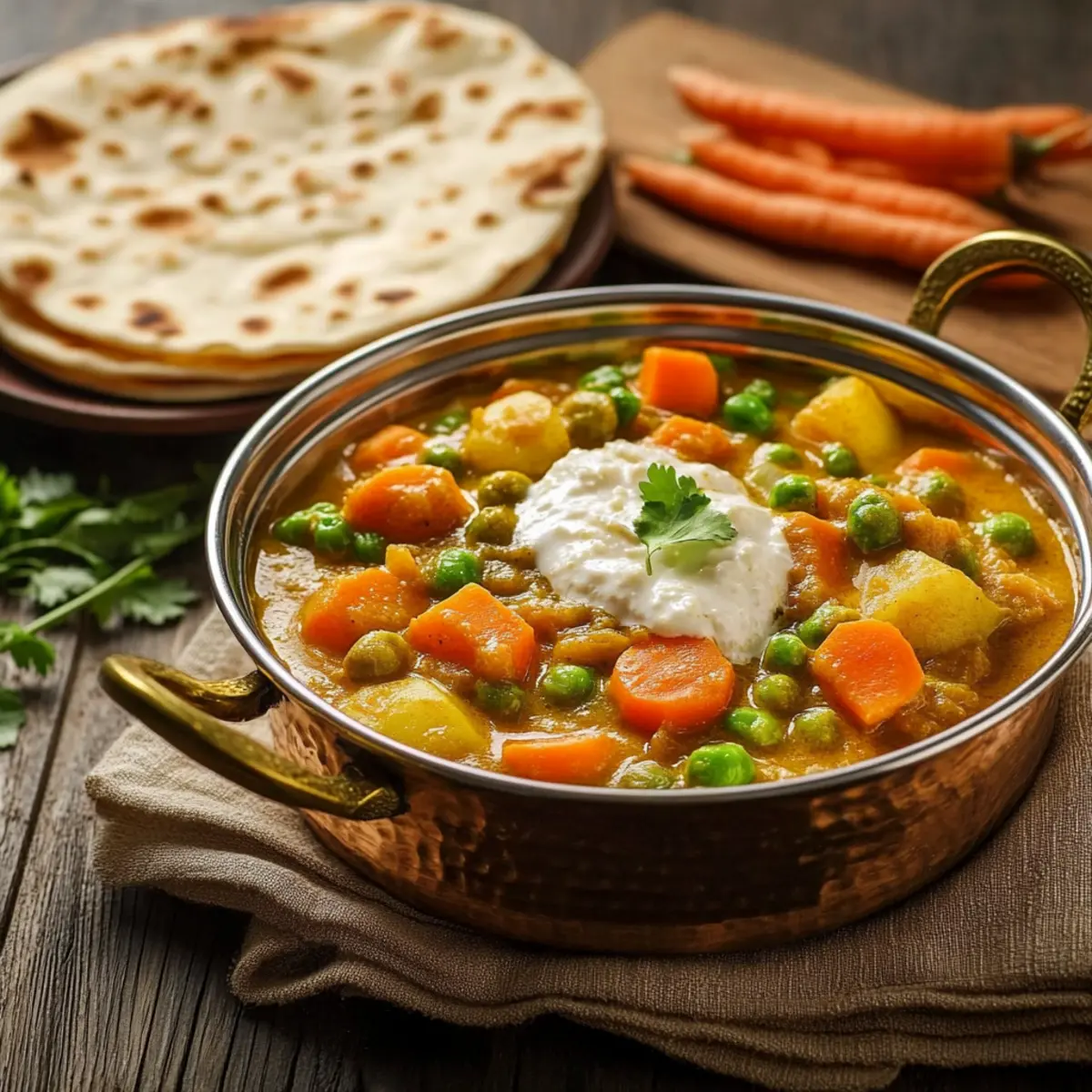
Easy Vegetable Curry Recipe FAQs
How can I determine if my vegetables are ripe?
Absolutely! Look for vibrant colors and the freshness of your vegetables. For example, bell peppers should be firm with no soft spots, and tomatoes should be slightly fragrant with a smooth skin. If you notice any dark spots all over, those veggies might be starting to spoil!
How should I store leftover vegetable curry?
Simply place any leftover vegetable curry in an airtight container and store it in the refrigerator for up to 4 days. Make sure it’s cooled to room temperature before sealing to ensure it stays fresh and flavorful. When reheating, gently heat on the stovetop, possibly adding a splash of water to restore its original creaminess.
Can I freeze vegetable curry, and how?
Definitely! To freeze your vegetable curry, allow it to cool completely. Portion it into airtight containers, leaving some room for expansion, as the curry may thicken. Freeze for up to 3 months. When you’re ready to enjoy it, thaw overnight in the fridge and reheat on the stovetop with a splash of water to bring back its lovely texture.
What should I do if my curry is too watery?
Very! If your curry is too watery, you can simmer it uncovered on low heat for a longer time, allowing excess liquid to evaporate. Alternatively, you can thicken it by stirring in a bit of cornstarch mixed with a little water or pureeing a portion of the curry to integrate back into the dish.
Is this vegetable curry safe for my pets?
It’s best to avoid sharing your vegetable curry with pets, especially if it contains ingredients like garlic and onions, which are harmful to them. While most vegetables in the curry are safe for pets, it’s always wise to check which ones they can eat before sharing.
Can this curry accommodate dietary restrictions?
Of course! This easy vegetable curry is naturally vegetarian and can be easily adapted for vegan diets by using vegetable oil instead of ghee and adding plant-based protein like chickpeas or lentils. Always check ingredient labels for allergens, especially if you choose canned goods!

Savory Vegetable Curry: Your New Weeknight Dinner Hero
Ingredients
Equipment
Method
- In a large pot, heat 2 tablespoons of vegetable oil over medium heat. Add 1 teaspoon of cumin seeds and sauté for about 1 minute until fragrant.
- Add one chopped onion and sauté for approximately 5 minutes until soft and translucent. Incorporate 3 minced garlic cloves and 1-inch grated ginger, cooking for an additional 30 to 60 seconds.
- Stir in 2 chopped tomatoes, 1 teaspoon of turmeric powder, 1 teaspoon of coriander powder, and a pinch of salt. Cook for about 5 to 7 minutes until the tomatoes break down.
- Add mixed vegetables to the pot, stirring to ensure they are well-coated in the masala.
- Pour in 1 to 1.5 cups of water, bring to a rapid boil, then reduce heat to simmer for 15 to 20 minutes until vegetables are tender.
- Optional: Stir in 1 cup of coconut milk and let simmer for an additional 5 minutes.
- Finally, sprinkle 1 teaspoon of garam masala, stir well, and adjust seasoning with salt as needed.
Leave a Reply