
Walking into my kitchen, the aroma of sizzling garlic filled the air, wrapping me in a warm embrace that promised delicious things to come. Today’s spotlight is on Healthy Sautéed Vegetables, a vibrant medley that not only adds color to your plate but also delivers a powerhouse of nutrients in every bite. This quick side dish is a wonderful way to elevate your meals while keeping things simple and stress-free. With the versatility to use whatever fresh vegetables you have on hand, these sautéed delights offer endless creativity as well as a nourishing option that’s perfect for busy weeknights. Ready to transform your mealtime with easy, delicious flavors? Let’s get cooking!
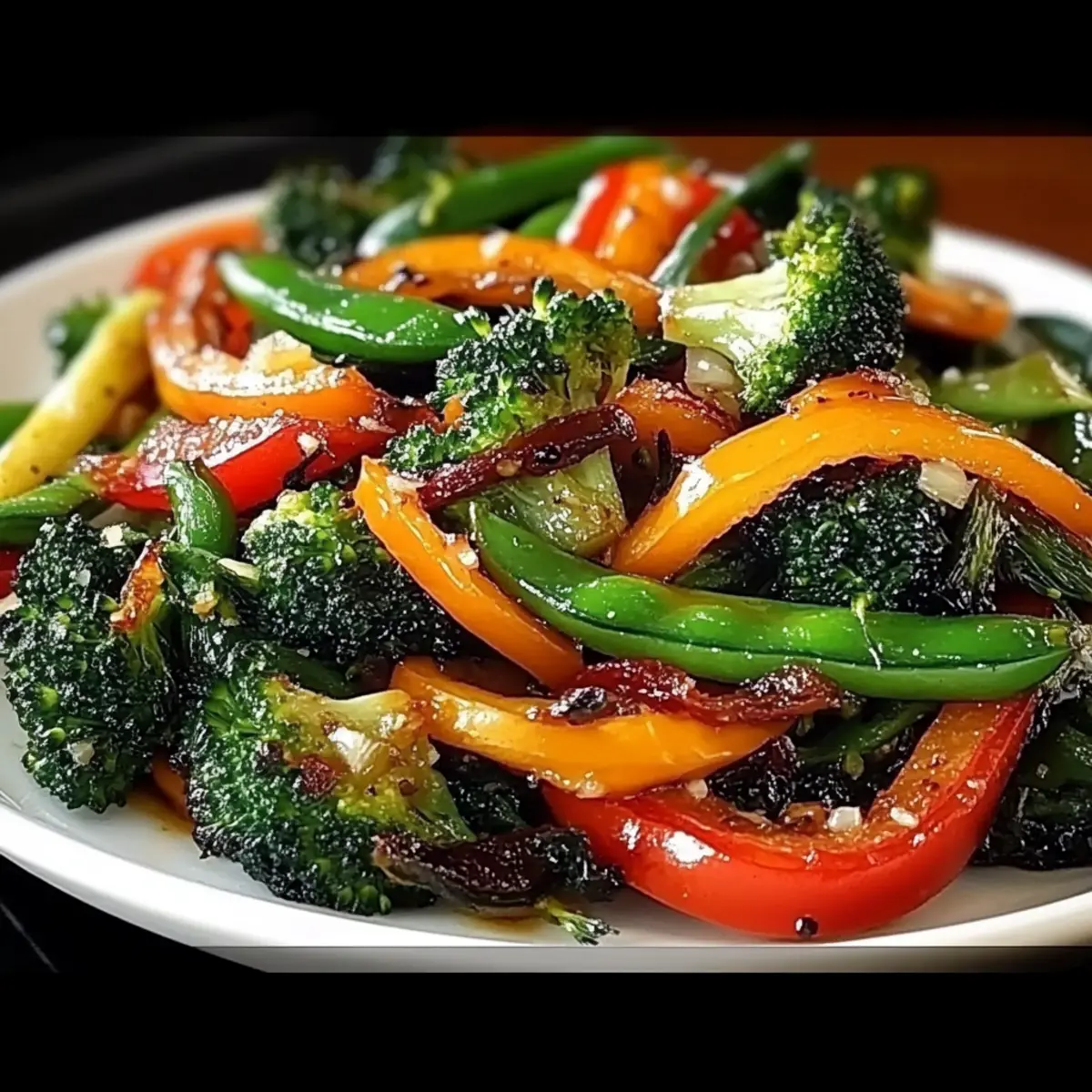
Why You’ll Love Sautéed Vegetables
Quick and Easy: In just a matter of minutes, you can whip up this vibrant dish, making it perfect for busy weeknights or last-minute gatherings.
Flavor Explosion: Each bite bursts with the aromatic goodness of garlic and the natural sweetness of fresh veggies, creating a delightful harmony that will have everyone asking for seconds.
Customizable: With a generous variety of vegetables to choose from, you can tailor this dish according to your pantry staples, seasonal finds, or personal preferences. Don’t forget to explore variation ideas for adventurous spins!
Nutritious Goodness: Packed with essential vitamins and minerals, these sautéed vegetables not only taste amazing but also contribute to a healthy lifestyle.
Crowd-Pleaser: Whether you’re serving a cozy dinner for two or preparing a feast for friends, this dish appeals to everyone, making it an instant favorite at any table.
Sautéed Vegetables Ingredients
• Get ready to create a delightful medley!
- Olive Oil – Adds healthy fats and enhances flavor; avocado oil is a great alternative.
- Garlic (2 cloves, minced) – Infuses aromatic depth; fresh garlic truly shines, but dried can work in a pinch.
- Onion (1 small, thinly sliced) – Provides sweetness and a foundational flavor; shallots offer a gentler taste.
- Bell Pepper (1 medium, sliced) – Contributes sweetness and crunch; feel free to mix colors for a vibrant dish!
- Zucchini (1 medium, sliced into half-moons) – Adds moisture and a tender bite; yellow squash serves as an excellent substitute.
- Broccoli Florets (1 cup) – Supplies a hearty texture and numerous nutritional benefits; cauliflower is a wonderful alternative.
- Carrot (1 medium, julienned or thinly sliced) – Brings sweetness and a pop of color; consider using parsnips for a unique twist.
- Snap Peas (½ cup) – Offer a satisfying crunch and a hint of sweetness; green beans can be a suitable replacement.
- Mushrooms (½ cup, sliced) – Introduce earthiness and umami flavor; any mushroom variety will enhance the dish nicely.
- Salt and Black Pepper – Essential seasonings; adjust to taste to bring out the flavors of your sautéed vegetables!
- Lemon Juice (1 tsp, optional) – Brightens flavors beautifully; lime juice works just as well.
- Balsamic Vinegar or Soy Sauce (1 tsp, optional) – Adds tangy complexity; tamari is perfect for a gluten-free option.
- Optional Toppings – Toasted nuts, seeds, fresh herbs, or grated Parmesan can elevate flavor and texture to the next level.
Step‑by‑Step Instructions for Healthy Sautéed Vegetables
Step 1: Preparation
Begin by washing and cutting all your vegetables into uniform sizes for even cooking. Slice your onion, bell pepper, and zucchini, julienne the carrot, and prepare your broccoli florets and snap peas. Having everything prepped and ready to go ensures a smooth and enjoyable cooking process when making these vibrant sautéed vegetables.
Step 2: Heat Oil
Place a medium-sized skillet over medium-high heat and add about two tablespoons of olive oil. Allow the oil to heat up until it shimmers, which should take about 1-2 minutes. This hot oil will create a lovely base for sautéing your vegetables, enhancing their natural flavors beautifully.
Step 3: Sauté Aromatics
Add minced garlic and sliced onions to the hot oil in the skillet. Sauté for approximately 1-2 minutes, stirring frequently, until the garlic is fragrant and the onions become translucent. This will infuse your sautéed vegetables with a delicious aroma and a flavorful foundation.
Step 4: Cook Harder Vegetables
Toss in the julienned carrots and broccoli florets, stirring them gently into the pan. Allow these firmer vegetables to cook for about 3-4 minutes, stirring occasionally, until they begin to soften but still retain some crunch. This step gives a hearty bite to your healthy sautéed vegetables.
Step 5: Add Softer Vegetables
Next, introduce the sliced bell peppers, zucchini, snap peas, and mushrooms to the skillet. Sauté this colorful mix for an additional 4-5 minutes, stirring frequently until everything is crisp-tender and vibrant. The combination of textures and colors will make your sautéed vegetables visually stunning!
Step 6: Season and Serve
Finally, season your sautéed vegetables with salt and black pepper, adjusting to taste. If desired, drizzle with lemon juice and balsamic vinegar or soy sauce for an extra burst of flavor. Toss everything well to combine before removing from the heat. Serve your delicious, nutritious sautéed vegetables immediately, garnishing with optional toppings like toasted nuts, fresh herbs, or grated Parmesan.
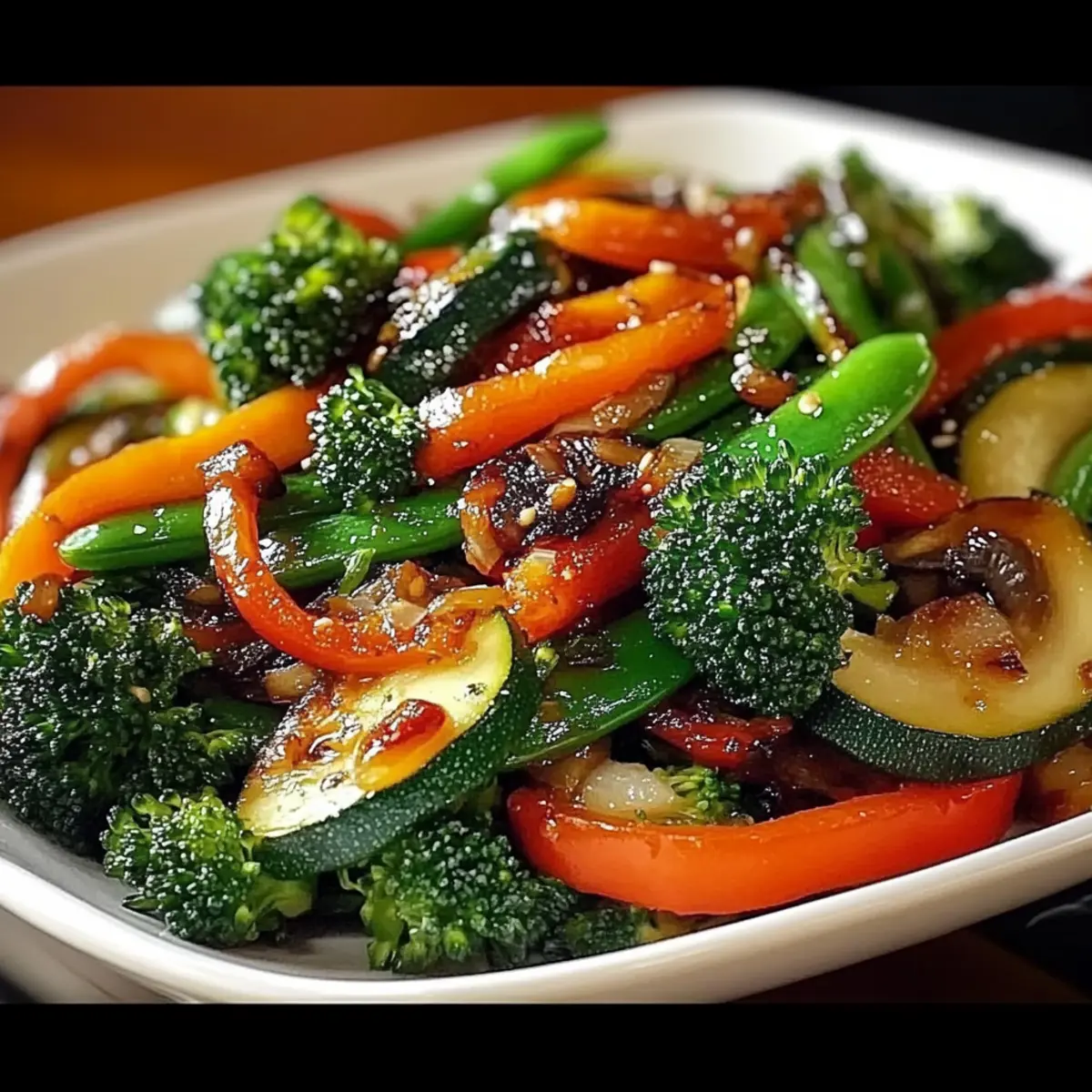
Expert Tips for Sautéed Vegetables
-
Uniform Cutting: Ensure all vegetables are cut to the same size for even cooking. This prevents some from becoming overcooked while others remain raw.
-
Don’t Overcrowd the Pan: Avoid overcrowding to keep the veggies sautéing instead of steaming. Cook in batches if needed to achieve that perfect crispness.
-
Cook in Stages: Start with harder vegetables like carrots and broccoli, then add softer ones. This maintains a delightful texture in your sautéed vegetables.
-
Seasoning Wisely: Taste as you go and adjust the salt and pepper. A little bit of acidic brightness from lemon juice or balsamic vinegar enhances the flavors beautifully.
-
Fresh Ingredients: Whenever possible, use fresh vegetables over frozen. They’ll deliver more vibrant flavors and textures in your delicious sautéed vegetables.
How to Store and Freeze Sautéed Vegetables
Fridge: Store leftover sautéed vegetables in an airtight container in the fridge for up to 3 days. This helps maintain their fresh flavors while providing an easy side dish for quick meals.
Freezer: Cool the sautéed vegetables completely and transfer them to a freezer-safe bag or container, where they can be stored for up to 3 months. Be sure to remove as much air as possible to prevent freezer burn.
Reheating: To enjoy your sautéed vegetables after freezing, simply thaw overnight in the fridge and reheat in a skillet over medium heat until warmed through. Alternatively, microwave in 1-minute intervals until hot, allowing a quick and hassle-free meal.
Cooking from Frozen: If you’re short on time, you can also cook from frozen. Add to a skillet with a splash of oil and sauté over medium heat for 5-8 minutes, stirring frequently until heated through.
Sautéed Vegetables: Creative Twists Await
Feel free to get adventurous with this recipe, and let your imagination run wild as you customize the flavors and textures!
-
Seasonal Swap: Try incorporating seasonal veggies like asparagus in spring or Brussels sprouts in fall for a fresh seasonal twist. Embrace what’s in season for a fun and flavorful experience!
-
Protein Boost: Add Tofu: Toss in cubed tofu for a vegetarian protein boost, or mix in diced chicken or shrimp for a heartier dish. This variation can easily turn your sauté into a complete meal.
-
Flavor Bomb: Spicy Kick: If you love a little heat, add crushed red pepper flakes or thinly sliced jalapeños while sautéing for a zesty finish. This small addition can really elevate your vegetable medley!
-
Herb Infusion: Fresh Herbs: Stir in chopped fresh herbs like basil, cilantro, or parsley right before serving for a fragrant touch. The freshness adds a delightful brightness that complements the savoriness.
-
Grain Mix: Serve Over Quinoa: For a nutritious twist, serve your sautéed vegetables over cooked quinoa or brown rice. This creates a heartier dish, packed with protein and fiber, that’s perfect for a balanced meal.
-
Cheesy Goodness: Parmesan or Nutritional Yeast: Finish with a sprinkle of grated Parmesan or nutritional yeast for a cheesy flavor without dairy. This option is perfect for a vegan twist that still satisfies cravings.
-
Nutty Crunch: Top with Nuts: Scatter toasted nuts like almond slivers or walnuts over your finished dish for an added crunch and healthy fats. It adds texture and richness to your sautéed vegetables.
-
Citrus Zing: Lime Juice: Swap lemon juice for lime for a zesty upgrade that pairs beautifully with certain veggie combinations—like bell peppers and snap peas. This brightens flavors in a whole new way!
Feel inspired to mix and match these variations to create the perfect version of sautéed vegetables that suits your taste and dietary needs! Don’t forget to check out the ideas in our variation ideas for even more fun options!
Make Ahead Options
Busy home cooks will find that Healthy Sautéed Vegetables are ideal for meal prep! You can chop and refrigerate your vegetables (like bell peppers, zucchini, and broccoli) up to 24 hours in advance to save time in the kitchen. When you’re ready to sauté, simply heat your olive oil, add the garlic and onions, and then proceed with cooking the sturdy vegetables first, followed by the softer ones. To maintain their vibrant color and crisp texture, avoid overcooking. This simple make-ahead method provides you with a nutritious side dish that’s just as delicious, allowing you to enjoy fresh, sautéed vegetables in minutes!
What to Serve with Healthy Sautéed Vegetables
Sautéed vegetables can transform your dining experience, bringing vibrancy and flavor to your plate.
- Quinoa Pilaf: Offers a nutty flavor and texture that pairs beautifully with the freshness of sautéed vegetables.
- Grilled Chicken: Juicy and slightly charred, grilled chicken complements the crispness of veggies perfectly for a balanced meal.
- Whole Wheat Pasta: Tossed with olive oil and herbs, pasta is an ideal base to absorb the fabulous juices of your sautéed veggies.
- Couscous Salad: Light and fluffy, couscous adds a wonderful chewiness that harmonizes with the dish’s vibrant textures.
- Garlic Bread: Crunchy and aromatic, garlic bread makes for a delightful contrast alongside your colorful sautéed vegetable medley.
- Feta Cheese Crumbles: A sprinkle of salty feta enhances the vegetable flavors while adding a creamy component to the dish.
- Lemon-Dill Yogurt Sauce: This refreshing sauce adds a cool, zesty element that elevates the sautéed vegetables’ taste even more.
- Red Wine: A light-bodied red pairs well, enhancing the rich flavors and providing a touch of warmth to your meal.
- Fresh Berry Tart: End your meal on a sweet note with a light, tangy dessert that contrasts nicely with the savory sautéed goodness.
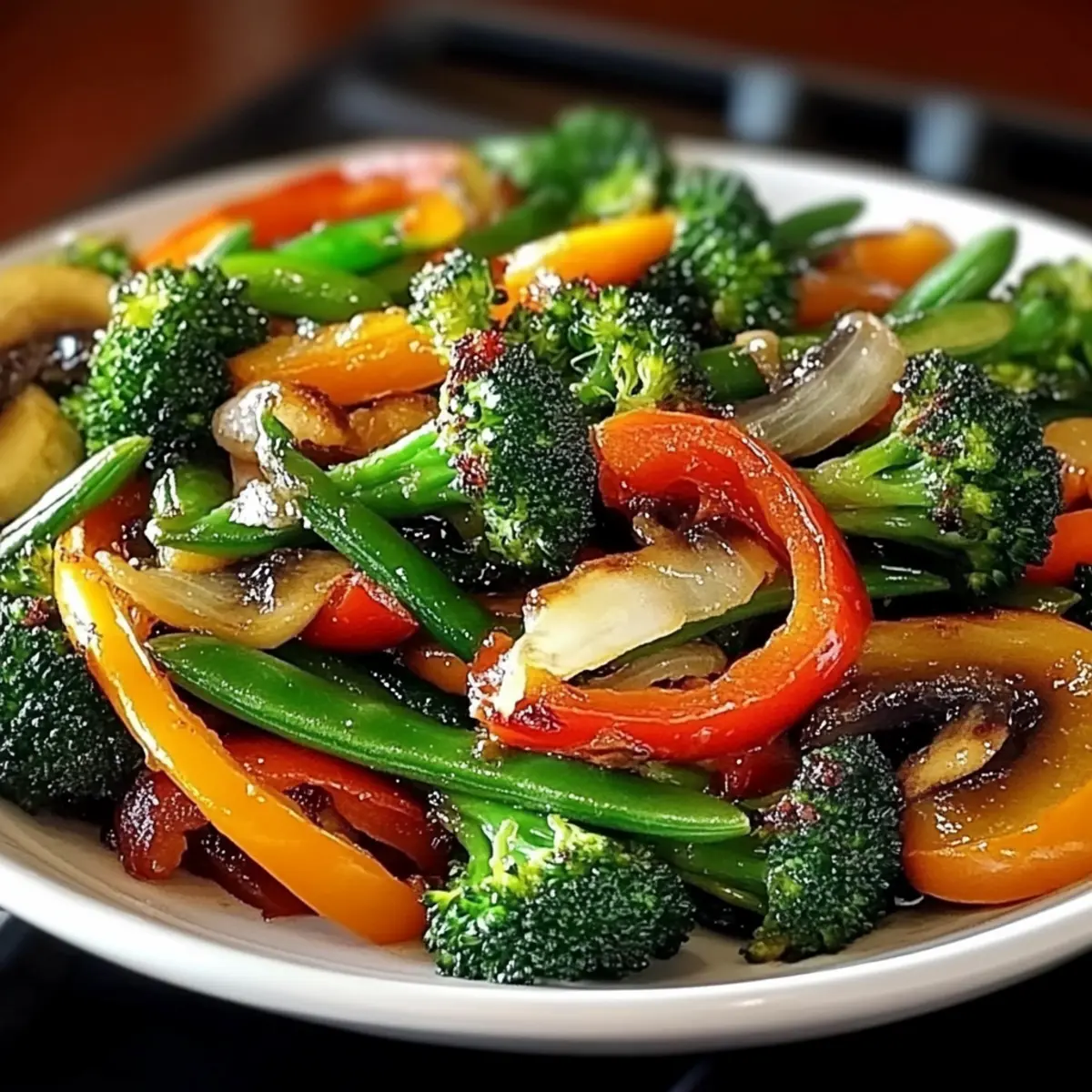
Sautéed Vegetables Recipe FAQs
How do I choose ripe vegetables for sautéing?
Absolutely! When selecting vegetables, opt for ones that are firm, vibrant in color, and free from dark spots. For instance, bell peppers should feel crisp with smooth skin, while zucchini should feel slightly firm to the touch. Choosing seasonal veggies will enhance both flavor and freshness, making your sautéed vegetables truly shine!
What’s the best way to store leftover sautéed vegetables?
After enjoying your delicious sautéed vegetables, allow them to cool completely before transferring them to an airtight container. Store in the fridge for up to 3 days to maintain taste and quality. When you’re ready to enjoy them again, simply heat them in a skillet or microwave for a quick meal!
Can I freeze sautéed vegetables, and how?
Absolutely! To freeze your sautéed vegetables, make sure they have cooled down completely. Transfer them to a freezer-safe bag or airtight container, ensuring to remove as much air as possible. They can be frozen for up to 3 months. When you’re ready to use them, thaw them overnight in the fridge or cook them directly from frozen in a skillet over medium heat, stirring occasionally for about 5-8 minutes until heated through.
What if my sautéed vegetables turn out soggy?
Very! If your sautéed vegetables end up soggy, it’s likely due to overcrowding the pan or cooking them at too low a temperature. To avoid this, make sure to cook in batches if necessary, giving each vegetable enough space to sauté rather than steam. Also, be sure to keep the heat at medium-high for that perfect crispiness. If they’re already soggy, you can try sautéing them a little longer to help evaporate some moisture.
Are sautéed vegetables safe for pets or those with vegetable allergies?
For sure! When it comes to pets, most sautéed vegetables are safe in moderation, but it’s always best to check if a specific vegetable is safe for your furry friend. For those with allergies, be mindful of commonly allergenic vegetables like soy (if using soy sauce) and keep in mind the personal preferences or restrictions of your guests. Always consult with a trusted medical professional regarding specific dietary concerns!
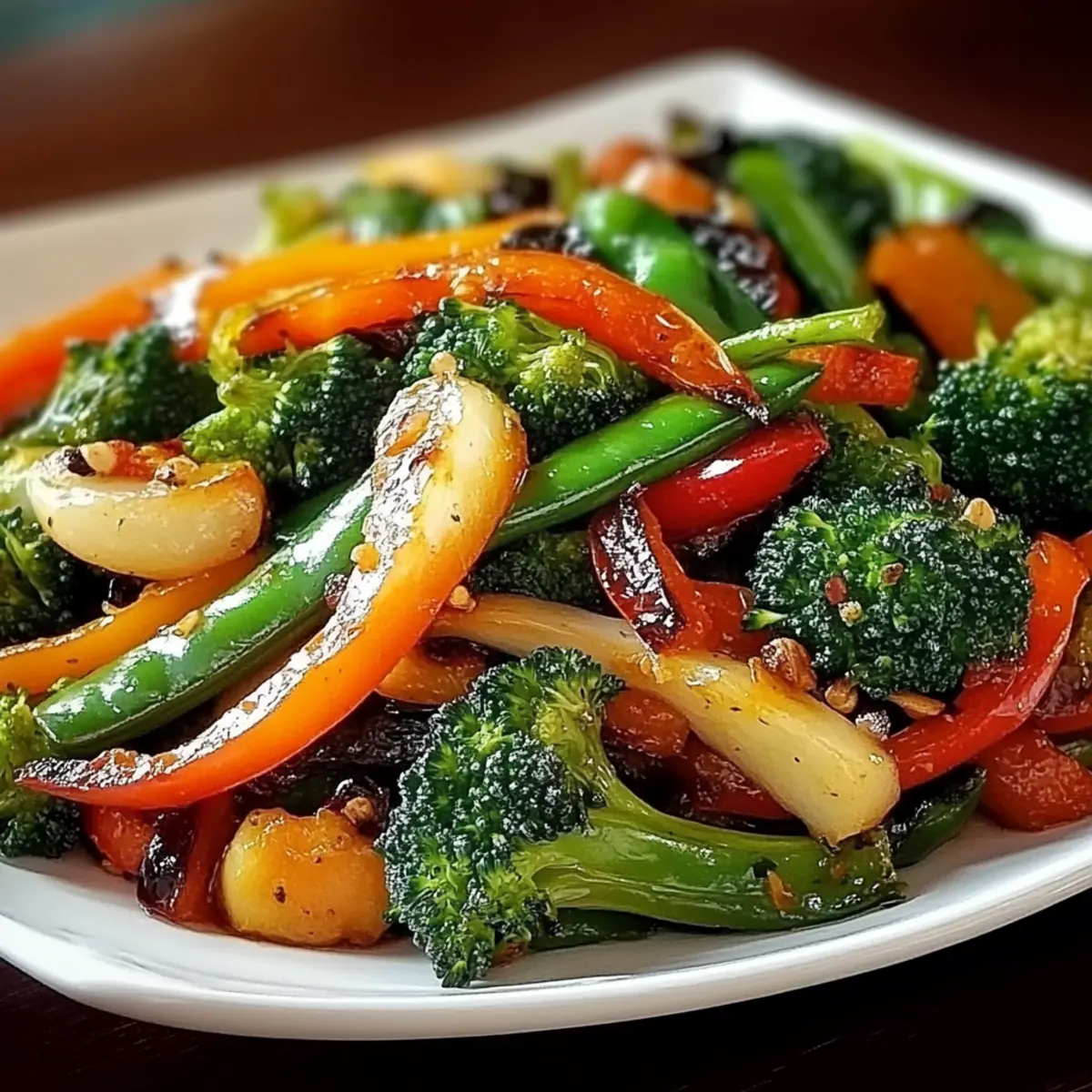
Quick Sautéed Vegetables That Burst with Flavor and Nutrition
Ingredients
Equipment
Method
- Begin by washing and cutting all your vegetables into uniform sizes for even cooking.
- Place a medium-sized skillet over medium-high heat and add about two tablespoons of olive oil. Allow the oil to heat up until it shimmers.
- Add minced garlic and sliced onions to the hot oil in the skillet. Sauté for approximately 1-2 minutes until fragrant.
- Toss in the julienned carrots and broccoli florets, stirring gently for about 3-4 minutes until they begin to soften.
- Introduce the sliced bell peppers, zucchini, snap peas, and mushrooms to the skillet. Sauté for an additional 4-5 minutes until crisp-tender.
- Season with salt and black pepper, and if desired, drizzle with lemon juice and balsamic vinegar or soy sauce. Serve immediately.
Leave a Reply