
As I stood in my kitchen today, the vibrant colors of fresh vegetables caught my eye, whispering promises of quick and nutritious meals ahead. I’m excited to share my recipe for Healthy Sautéed Vegetables, a delightful side dish that’s both a feast for the eyes and a powerhouse of nutrients. This versatile recipe is ready in no time, making it the perfect solution for busy weeknights or meal prep. With endless variations based on what’s in season or what you love, these sautéed veggies will elevate any dish on your table. Curious to see how simple ingredients can transform into a colorful medley? Let’s dive in!
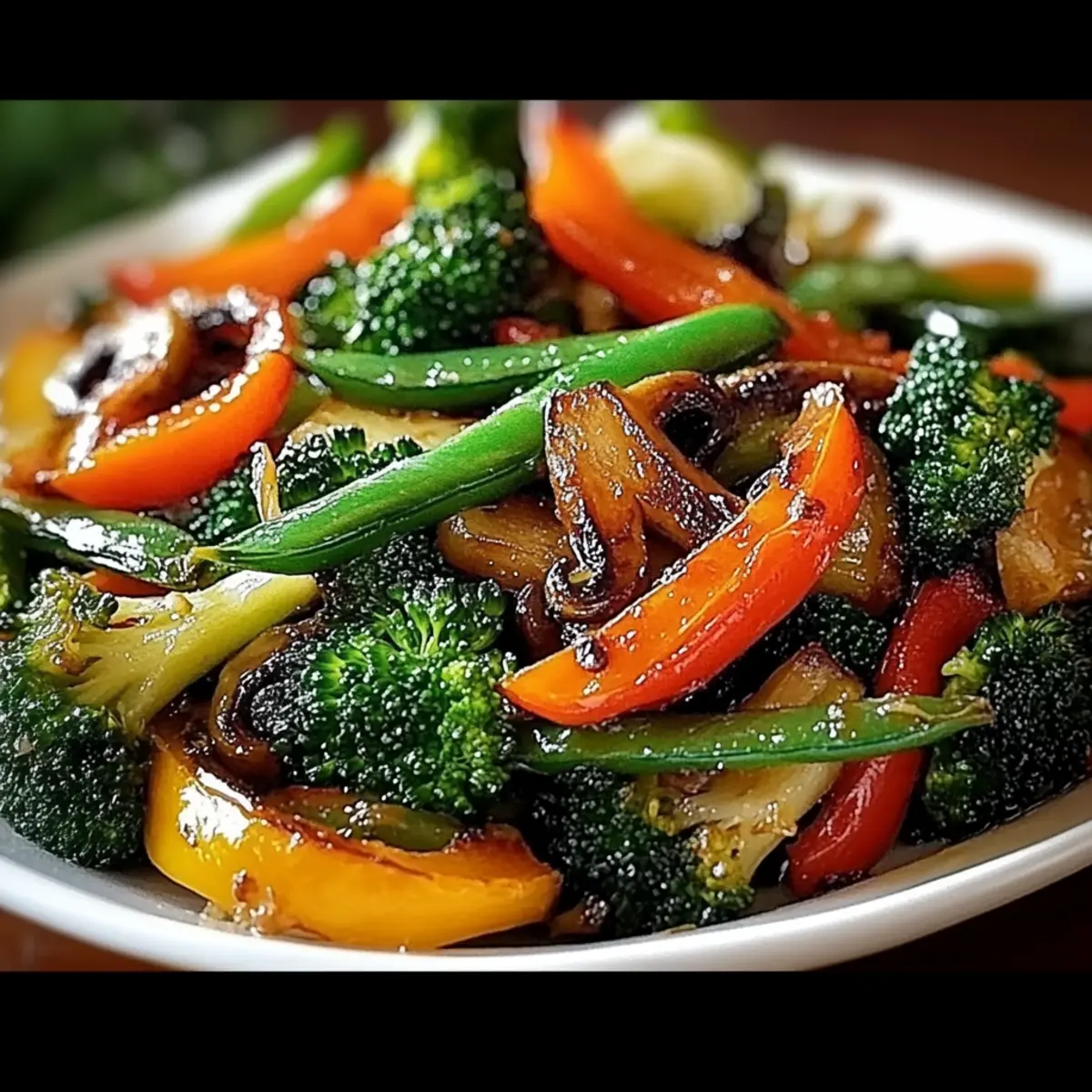
Why are sautéed vegetables so satisfying?
Vibrant colors: The rainbow of vegetables not only looks appealing but also signals a range of nutrients to boost your health.
Quick preparation: Ready in a flash, these Healthy Sautéed Vegetables are ideal for busy weekdays or as a last-minute side.
Versatile options: Customize with your favorite seasonal vegetables, making every batch unique.
Flavorful impact: Sautéing brings out the natural sweetness and depth, elevating your meals with irresistible aromas.
Perfect pairings: Enjoy them alongside grilled chicken, tossed in pasta, or as part of a hearty grain bowl. For even more delicious ideas, check out my Cajun Salmon Avocado Lime or classic Crusted Baked Salmon!
Healthy Sautéed Vegetables Ingredients
-
For the Vegetables
-
Olive Oil – Adds healthy fats and flavor; avocado oil or butter can be used for a different taste.
-
Garlic (2 cloves, minced) – Enhances aroma and flavor; fresh garlic provides the best taste.
-
Onion (1 small, thinly sliced) – Adds sweetness and depth; red or yellow onions work beautifully.
-
Bell Pepper (1 medium, sliced) – Provides crunch and sweetness; feel free to use any color for a fun twist.
-
Zucchini (1 medium, sliced into half-moons) – Contributes a tender texture; substitute with yellow squash if you prefer.
-
Broccoli (1 cup, florets) – Adds fiber and a vibrant green touch; fresh or frozen works well here.
-
Carrot (1 medium, julienned or sliced thin) – Brings natural sweetness and crunch to the mix.
-
Snap Peas (½ cup) – Adds a sweet, crisp element; you can swap with green beans if you like.
-
Mushrooms (½ cup, sliced) – Contributes umami flavor; any variety can be delicious.
-
For Seasoning
-
Salt and Black Pepper – Essential for seasoning; adjust to your taste preference.
-
Lemon Juice (1 tsp, optional) – Adds a bright finish; vinegar can serve as a good substitute.
-
Balsamic Vinegar or Soy Sauce (1 tsp, optional) – Adds depth and complexity; choose based on your flavor preference.
-
For Optional Toppings
-
Toasted Nuts, Seeds, Fresh Herbs, Grated Parmesan – Enhance both flavor and texture, making your dish even more delightful.
These Healthy Sautéed Vegetables are not only quick to prepare but also adaptable, allowing you to incorporate your favorite seasonal produce for a fresh, vibrant side dish!
Step‑by‑Step Instructions for Healthy Sautéed Vegetables
Step 1: Prepare the Vegetables
Begin by washing all your selected fresh vegetables to remove any dirt or residues. Peel if necessary and cut them into uniform pieces—this ensures even cooking. For this Healthy Sautéed Vegetables recipe, consider slicing the bell peppers, zucchini, and carrots, and cutting the broccoli into small florets for maximum tenderness and visual appeal.
Step 2: Heat the Skillet
Place a large skillet over medium-high heat and allow it to warm up for about 2 minutes. Once the pan is hot, pour in 2 tablespoons of olive oil. Swirl the pan to coat the bottom evenly, ensuring a nice, non-stick surface for cooking the vegetables that will enhance their flavor and texture during sautéing.
Step 3: Sauté Garlic and Onions
Add the minced garlic and thinly sliced onions to the skillet. Sauté them for 1-2 minutes, stirring frequently until the onions become translucent and the garlic is fragrant, watching for a golden tint. This aromatic base lays the groundwork for your Healthy Sautéed Vegetables, enhancing their overall flavor profile.
Step 4: Add Carrots and Broccoli
Next, stir in the julienned carrots and broccoli florets. Cook these vegetables for about 3-4 minutes, stirring occasionally. You want them to soften slightly but still retain some crunch. The vibrant colors of your sautéed veggies will start to shine, indicating they are on the right path to becoming a delightful side dish.
Step 5: Incorporate Remaining Vegetables
Now it’s time to add the sliced bell peppers, zucchini, mushrooms, and snap peas to the skillet. Sauté the medley for an additional 4-5 minutes, tossing frequently. You’re looking for the vegetables to be crisp-tender—bright and colorful without being overcooked, which is the hallmark of perfect Healthy Sautéed Vegetables.
Step 6: Season and Toss Well
Once the vegetables are nearly done, season them with salt, black pepper, and any optional flavorings you like, such as lemon juice or balsamic vinegar. Toss everything in the skillet to ensure that each piece is well-coated in the seasoning. This final touch enhances the flavor and brings all the ingredients together beautifully.
Step 7: Serve Immediately
Transfer the sautéed vegetables to a serving platter or bowls right away to enjoy at their best. Garnish with optional toppings like toasted nuts, seeds, or fresh herbs to elevate your dish further. Your quick and nutritious Healthy Sautéed Vegetables are now ready to complement any meal or stand alone as a delicious, healthy snack!
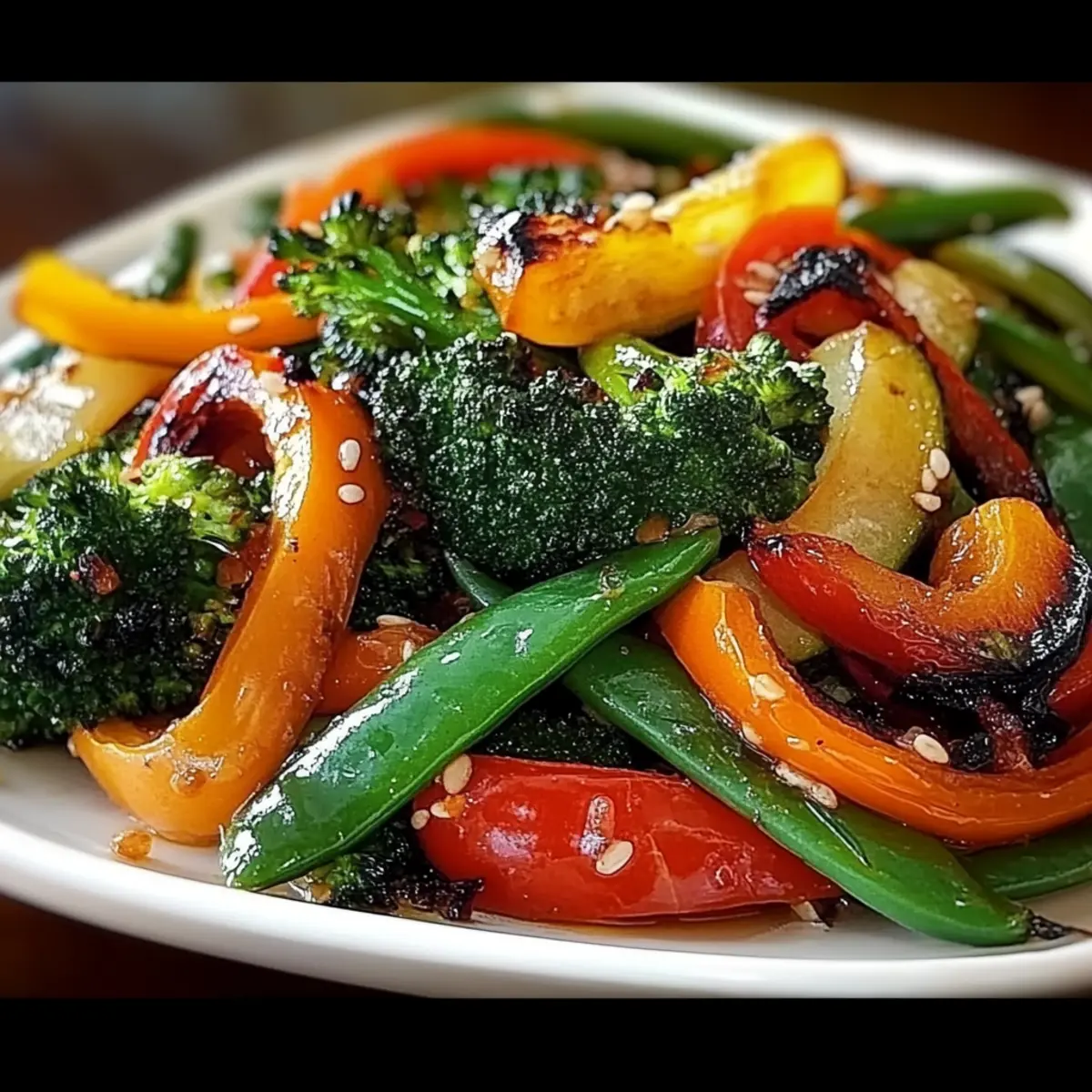
Expert Tips for Healthy Sautéed Vegetables
-
Cut Evenly: Consistent vegetable size ensures even cooking, preventing some pieces from being overdone while others remain raw.
-
Avoid Overcrowding: Cook in batches; overcrowding the pan can lead to steaming instead of sautéing, which affects texture and flavor.
-
Watch the Time: Adjust cooking time based on how crunchy you like your vegetables. Undercooked veggies can be reheated well without losing their texture.
-
Splash of Liquid: For reheating leftover Healthy Sautéed Vegetables, add a splash of water or broth to keep them fresh and prevent drying out.
-
Seasoning Matters: Always taste before serving; adjust salt, pepper, and other seasonings for a perfectly balanced flavor.
Healthy Sautéed Vegetables: Variations & Substitutions
Feel free to get creative and make this recipe your own! Each twist on the classic sauté will add delightful new layers of flavor and nutrition.
- Seasonal Swap: Swap in seasonal vegetables like asparagus or leafy greens such as spinach or kale for a fresh taste.
- Oil Change: Replace olive oil with avocado oil or melted butter to experiment with different flavor profiles.
- Protein Boost: Add cooked protein like chicken, shrimp, or tofu for a satisfying, heartier dish perfect for dinner.
- Herb Infusion: Stir in fresh herbs like basil, thyme, or parsley at the end for a burst of freshness and added flavor complexity.
- Spice it Up: Boost the heat by adding red pepper flakes or a dash of cayenne for a delightful kick in every bite.
- Flavor Zing: A splash of soy sauce or tamari instead of balsamic vinegar adds a savory richness that complements the veggies beautifully.
- Sweet Twist: Incorporate sweet vegetables like carrots and roasted red peppers for sweetness alongside a bit of balsamic glaze to tie it all together.
- Nutty Texture: Top with toasted nuts or seeds for added crunch and healthy fats that will elevate your sautéed vegetables.
With these variations, you can enjoy Healthy Sautéed Vegetables in multiple ways—each deliciously unique! Remember, if you’re looking for tasty proteins to pair with your sauté, check out my Cajun Salmon Avocado Lime or Crusted Baked Salmon recipes for a perfect complement to your meal.
How to Store and Freeze Healthy Sautéed Vegetables
Fridge: Store leftovers in an airtight container for up to 3 days. Reheat in a skillet or microwave until heated through.
Freezer: Portion the sautéed vegetables into freezer bags, squeezing out excess air. Freeze for up to 3 months to maintain freshness.
Thawing: For best results, thaw overnight in the fridge before reheating. Consider adding a splash of water or broth during reheating to revive flavors.
Reheating: Gently sauté in a skillet or heat in the microwave, stirring occasionally to ensure even warmth without overcooking.
Make Ahead Options
These Healthy Sautéed Vegetables are perfect for meal prep enthusiasts! You can chop all your vegetables and store them in an airtight container in the fridge for up to 3 days. This way, all the hard work is done, and you can simply sauté them when you’re ready to serve. To maintain their freshness and crisp texture, make sure to keep them dry and avoid overcrowding the pan when you cook. When it’s time to enjoy your meal, just heat a bit of olive oil in a skillet, add the prepped vegetables, and sauté until they’re tender and vibrant—this ensures that your veggies will be just as delicious as if they were freshly chopped!
What to Serve with Quick and Nutritious Sautéed Vegetables
A colorful array of quick-to-make sautéed vegetables can seamlessly elevate your weeknight dinners into wholesome and flavorful feasts.
-
Grilled Chicken: The smoky, savory flavor pairs beautifully with the fresh taste of sautéed vegetables while adding a protein punch.
-
Quinoa Salad: This fluffy grain dish with herbs and lemon offers a nourishing complement to your vibrant vegetables, enhancing textures and flavors.
-
Garlic Bread: Crunchy and fragrant, it’s the perfect tool to scoop up those delicious sautéed veggies straight from the plate, adding comfort to every bite.
-
Pasta Primavera: Tossed with olive oil and fresh herbs, the pasta absorbs the bright flavors of the vegetables, making every mouthful a burst of goodness.
-
Lemon Herb Rice: Light and zesty, this dish balances out the earthy tones of the sautéed vegetables and brings a refreshing note.
-
Crispy Tofu: A plant-based protein option that adds a delightful contrast in texture; its ability to soak up the flavors makes it a fantastic pairing.
-
Tzatziki Sauce: This cool and creamy cucumber yogurt dip refreshes and complements the sautéed vegetables, enhancing lightness and adding a lovely contrast.
-
Red Wine: A glass of fruity red will elevate the meal, enhancing the overall dining experience with its rich berry notes.
-
Dark Chocolate Mousse: For a sweet finish that contrasts the savory notes of your meal, this indulgent dessert will leave your guests delighted and utterly satisfied.
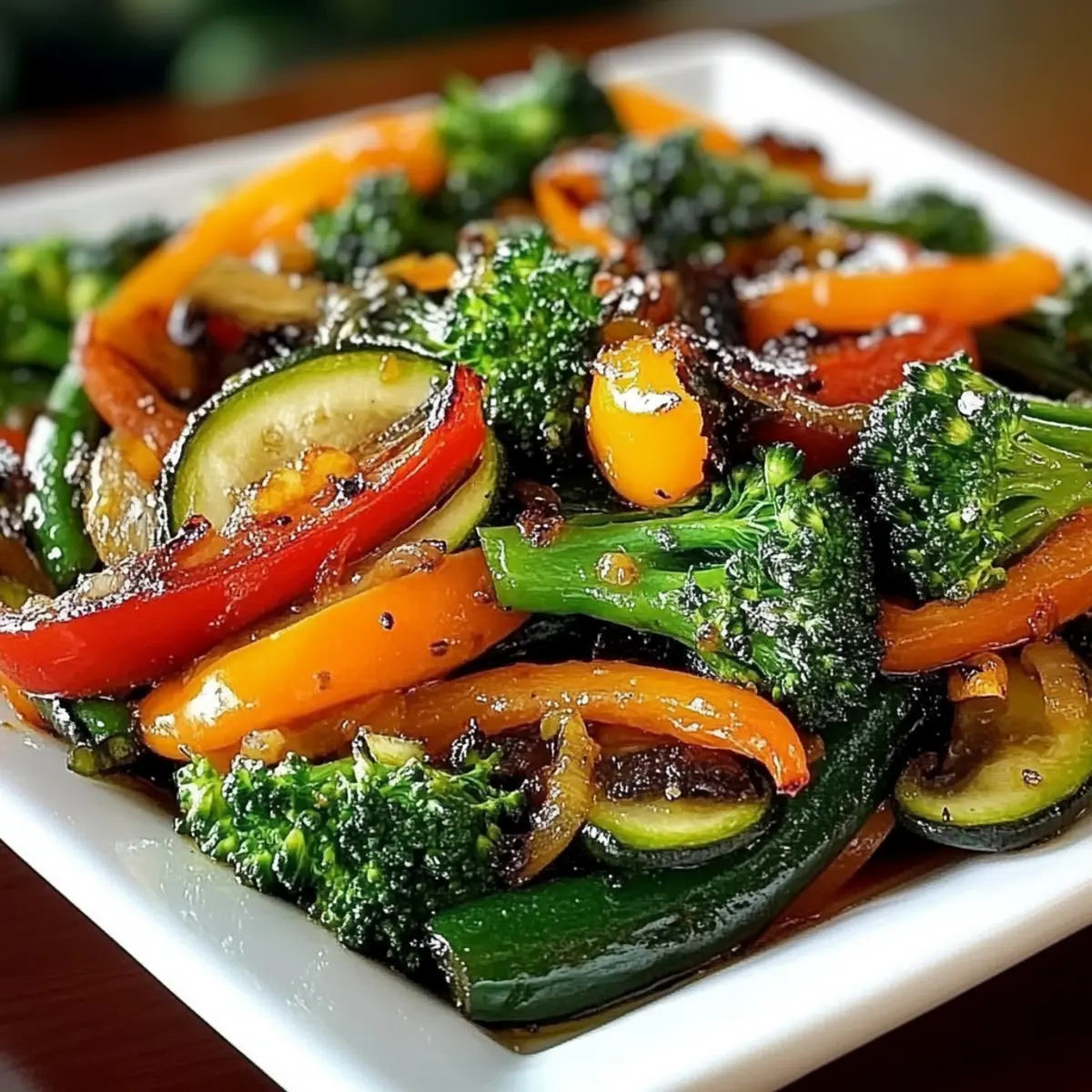
Healthy Sautéed Vegetables Recipe FAQs
What vegetables are best for sautéing?
Absolutely! You can use a variety of vegetables for sautéing based on your preferences or seasonal availability. Bell peppers, zucchini, broccoli, carrots, snap peas, and mushrooms are excellent choices. Look for vegetables that are vibrant in color and firm to the touch without soft spots.
How should I store leftovers from the Healthy Sautéed Vegetables?
Very good question! Store any leftovers in an airtight container in the fridge for up to 3 days. When you’re ready to reheat, just pop them in a skillet over medium heat, or microwave them for a quick warm-up. A splash of water can help keep them moist while reheating!
Can I freeze sautéed vegetables, and how?
Certainly! To freeze your Healthy Sautéed Vegetables, first let them cool completely. Then, portion them into freezer bags or airtight containers, making sure to squeeze out any excess air. They can be kept frozen for up to 3 months. When you’re ready to use them, thaw overnight in the fridge and reheat on the stovetop with a little splash of water to restore their texture.
What if my sautéed vegetables are overcooked?
Don’t worry, it happens to the best of us! If you find that your vegetables are overcooked and mushy, consider using them in soups or stir-fries where their texture won’t be as noticeable. Alternatively, you can blend them into a creamy veggie dip or sauce for another flavorful use.
Are there any dietary considerations I should keep in mind?
Certainly! If you’re cooking for kids or pets, ensure that no harmful vegetables (like onions or garlic) are included if they’re in the mix. This recipe is naturally vegetarian and can be adjusted to be vegan by omitting any cheese toppings. Always double-check for allergies if you’re serving guests, especially with nuts or seeds used as toppings.
How can I enhance the flavor of my sautéed vegetables?
Great question! You can enhance the flavor by adjusting the seasoning. Try adding a splash of soy sauce or balsamic vinegar for depth. For a zesty kick, a little lemon or lime juice works wonders. Additionally, fresh herbs like basil or parsley sprinkled on top just before serving will brighten everything up!
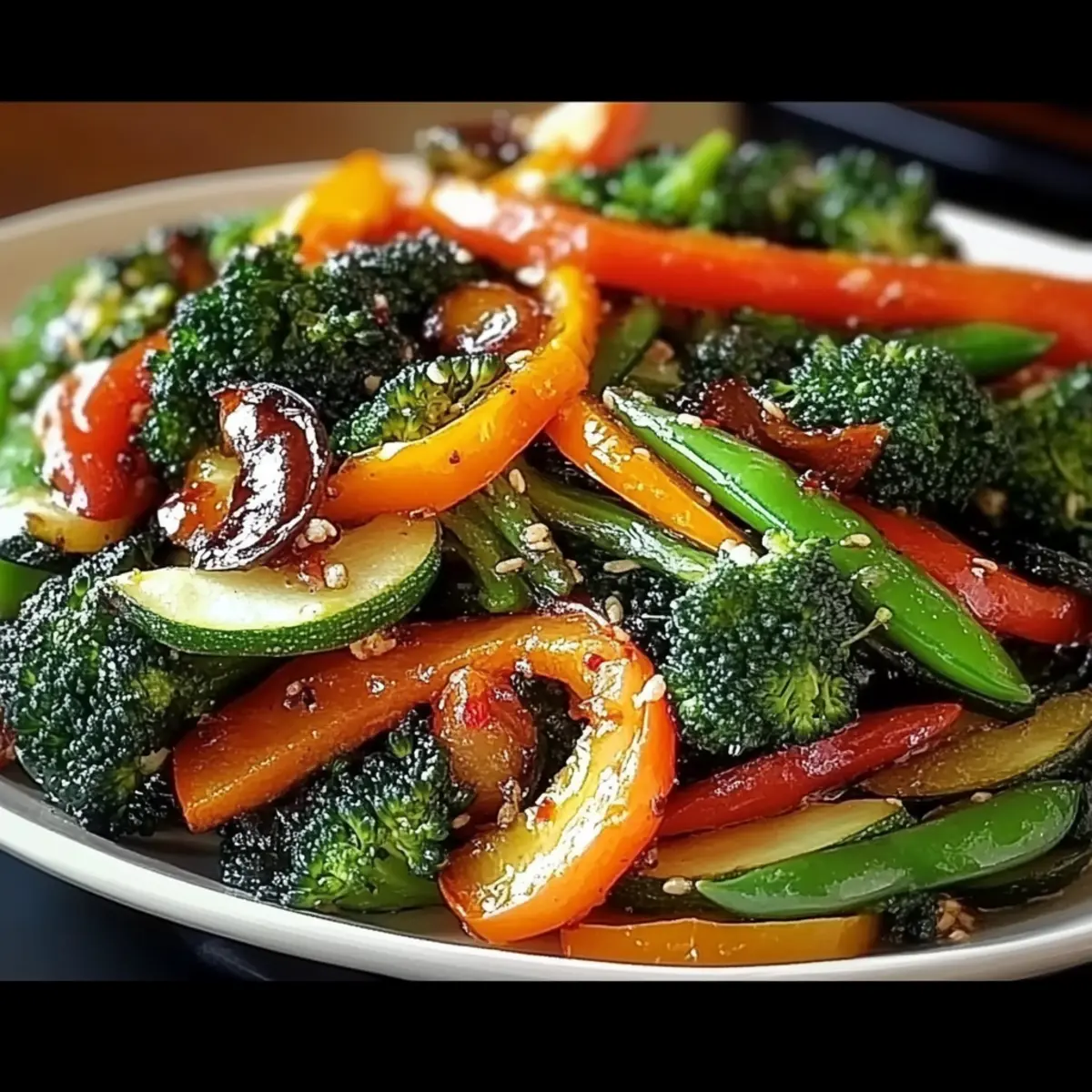
Quick and Colorful Healthy Sautéed Vegetables for Any Meal
Ingredients
Equipment
Method
- Prepare the Vegetables by washing all selected fresh vegetables and cutting them into uniform pieces.
- Heat the Skillet over medium-high heat for about 2 minutes, then add 2 tablespoons of olive oil.
- Sauté Garlic and Onions for 1-2 minutes until onions become translucent and garlic is fragrant.
- Add Carrots and Broccoli, cooking for about 3-4 minutes while stirring occasionally.
- Incorporate Remaining Vegetables and sauté for an additional 4-5 minutes, tossing frequently.
- Season and toss well with salt, black pepper, and any optional flavorings like lemon juice or balsamic vinegar.
- Serve Immediately, garnishing with optional toppings like toasted nuts or fresh herbs.
Leave a Reply